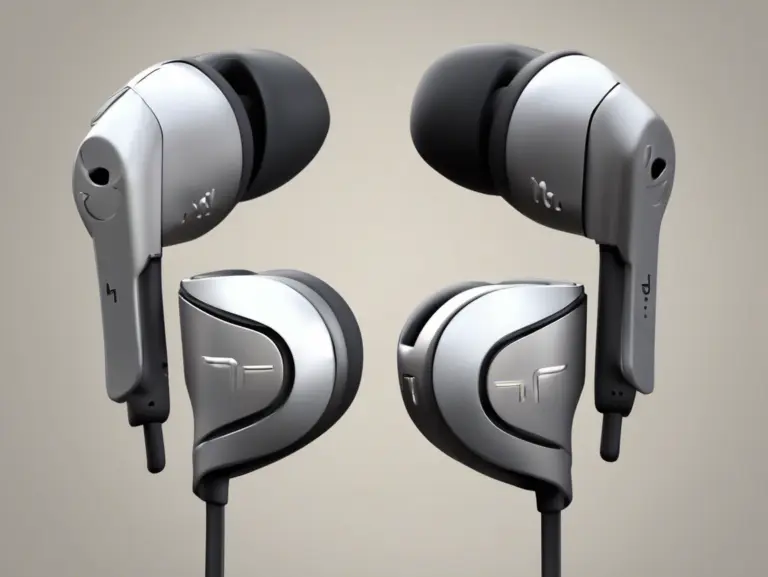
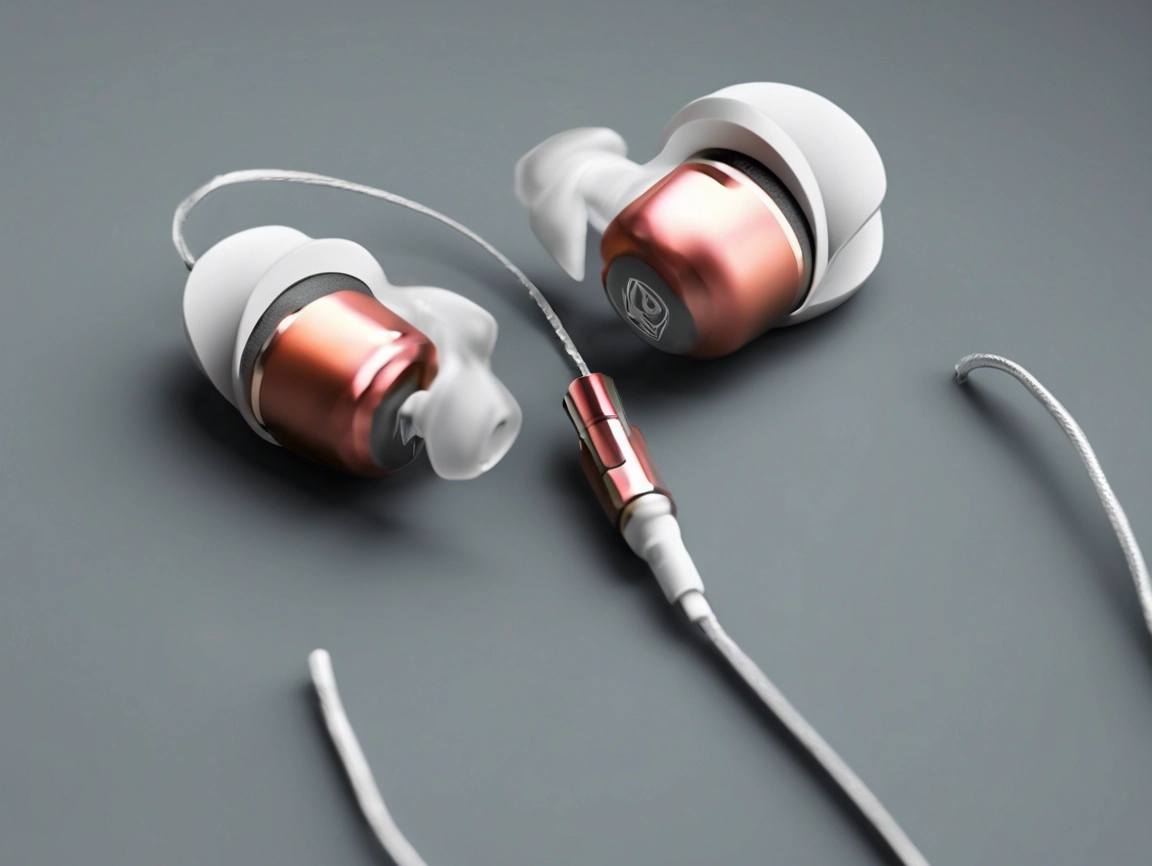
In-ear headphones, also known as in-ear monitors (IEMs), are a popular choice for many users due to their compact size, portability, and ability to deliver high-quality sound directly into the ear canal. Here’s a detailed description of in-ear headphones and their technology:
Technology
- Driver Technology:
- Dynamic Drivers: These are commonly used in in-ear headphones and provide a good balance of bass, mids, and highs. They use a diaphragm attached to a voice coil and magnet.
- Balanced Armature Drivers: These drivers are smaller and more precise, often used in high-end IEMs for detailed sound reproduction. They excel in delivering clear mids and highs.
- Hybrid Drivers: Some in-ear headphones combine dynamic and balanced armature drivers to leverage the strengths of both, offering a more comprehensive sound profile.
- Noise Isolation and Cancellation:
- Passive Noise Isolation: Achieved through the snug fit of the ear tips, which block external sounds by sealing the ear canal.
- Active Noise Cancellation (ANC): Uses microphones and electronic circuitry to detect and cancel out ambient noise, providing a quieter listening environment.
- Wireless Connectivity:
- Bluetooth: Most modern in-ear headphones use Bluetooth technology for wireless connectivity, offering convenience and freedom from tangled wires.
- True Wireless Stereo (TWS): This technology allows both earbuds to connect independently to the device, providing a seamless and synchronized audio experience.
- Sound Quality:
- High-Resolution Audio: Supports higher bit rates and sampling frequencies, delivering superior sound quality.
- Customizable Sound Profiles: Some in-ear headphones come with companion apps that allow users to adjust equalizer settings and personalize their sound experience.
- Battery Life:
- Long-lasting Batteries: Modern in-ear headphones often feature extended battery life, with some models offering up to 8-12 hours of playback on a single charge.
- Charging Case: Provides additional charges, extending the total battery life to 24-48 hours. Some cases support wireless charging.
Features
- Comfort and Fit:
- Ergonomic Design: In-ear headphones are designed to be comfortable for long periods of use, with various sizes of ear tips to ensure a secure fit.
- Lightweight Materials: Use of lightweight and durable materials to reduce fatigue during extended listening sessions.
- Smart Features:
- Voice Assistants: Integration with voice assistants like Siri, Google Assistant, and Alexa for hands-free control.
- Touch Controls: Touch-sensitive panels on the earbuds for easy control of playback, volume, and calls.
- Customization:
- Equalizer Settings: Customizable sound profiles and equalizer settings through companion apps.
- Personalized Sound: Some in-ear headphones offer personalized sound tuning based on the user’s hearing profile.
- Additional Functionalities:
- Multipoint Connectivity: Ability to connect to multiple devices simultaneously, allowing seamless switching between devices.
- Transparency Mode: Allows users to hear ambient sounds without removing the earbuds, useful for awareness in busy environments.
- Water and Sweat Resistance: Many in-ear headphones are designed to be water and sweat-resistant, making them suitable for workouts and outdoor activities.
These technologies and features collectively contribute to a superior listening experience, making in-ear headphones versatile and highly functional for various use cases, from casual listening to professional audio work.